
What Is Bird Nest Soup? Origins and Cultural Significance
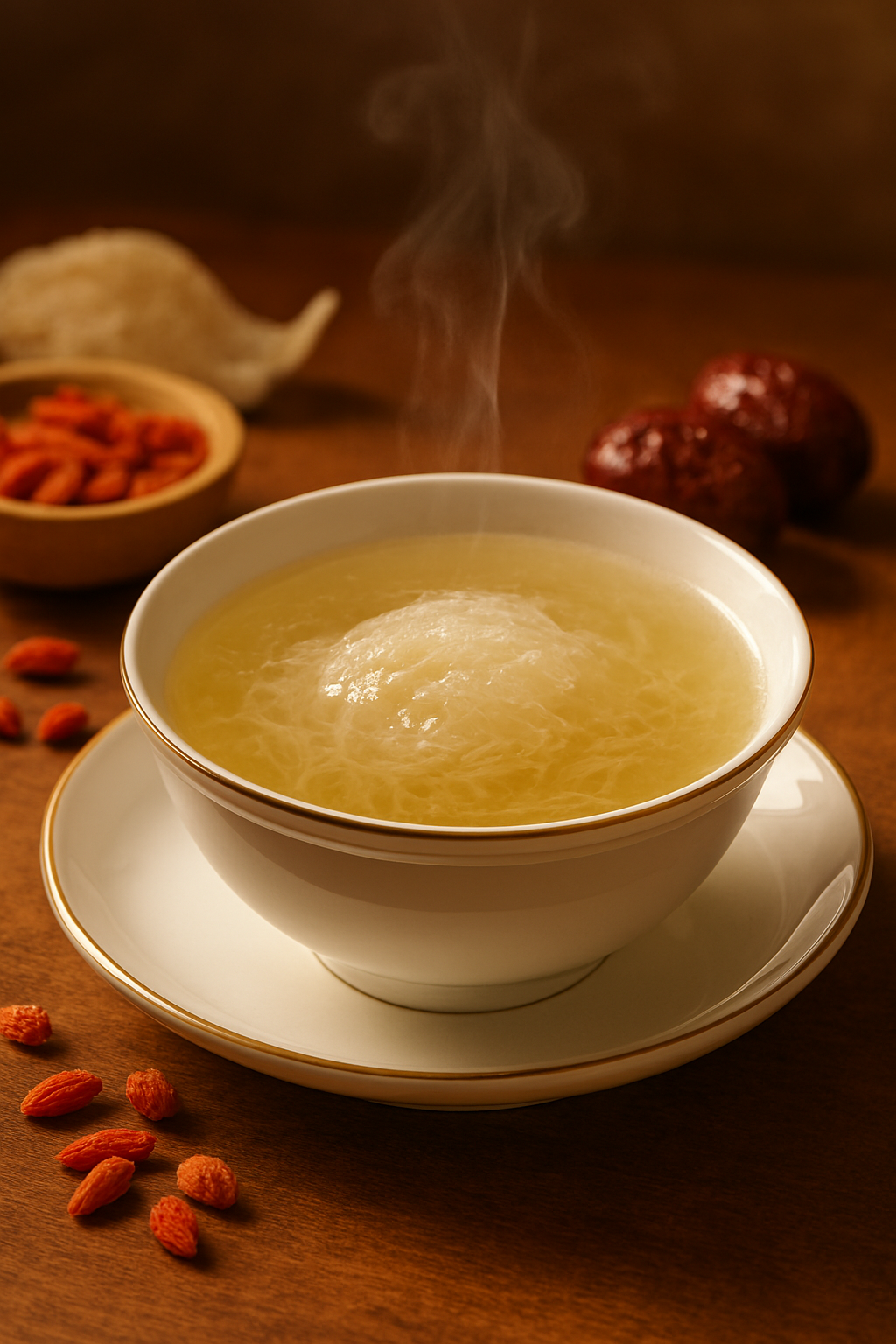
Bird nest soup, often referred to as edible bird’s nest or swiftlet nest soup, is a traditional Chinese delicacy renowned for its unique texture and purported health benefits. The primary ingredient in this soup is the nest of the swiftlet, a small bird native to Southeast Asia. Unlike typical nests made from twigs and leaves, swiftlets construct their nests almost entirely from their hardened saliva, which dissolves into a gelatinous texture when cooked.
The history of bird nest soup dates back over 400 years to the Ming Dynasty, where it was reserved for Chinese royalty and nobility due to its rarity and labor-intensive harvesting process. Over time, it became highly sought after by those who could afford such luxury. The cultural value of bird nest soup lies not only in its exclusivity but also in the belief that it promotes good health, enhances skin complexion, boosts immunity, and supports overall vitality.
Today, edible bird’s nests are still considered one of the most prized ingredients in Chinese cuisine. Families often serve swiftlet nest soup during special occasions such as weddings or Lunar New Year celebrations as a symbol of prosperity and respect for tradition. Its enduring popularity underscores both its historical significance and deep-rooted cultural importance within Chinese society.
Nutritional Profile: What Makes Bird Nest Soup So Special?
Bird nest soup has long been treasured in Asian cuisine, not only for its delicate flavor but also for its impressive nutritional profile. At the heart of its benefits are unique bird nest nutrients, most notably glycoproteins, which play a significant role in cellular growth and tissue repair. These glycoproteins are believed to contribute to the soup’s reputation for promoting healthy skin and boosting the immune system.
Another key component is the presence of essential amino acids in bird nest soup. Amino acids are the building blocks of protein, vital for muscle development, hormone production, and overall bodily function. Bird’s nest contains several important amino acids that our bodies cannot produce naturally, making it a valuable dietary supplement.
In addition to proteins and amino acids, bird’s nest soup is rich in minerals and antioxidants such as calcium, iron, potassium, magnesium, and zinc. These minerals support bone health, enhance oxygen transport within the body, and aid metabolic processes. Antioxidants present in bird’s nest help combat oxidative stress and may reduce inflammation.
Altogether, the nutritional value of bird’s nest makes this delicacy more than just a culinary luxury—it is also considered a nourishing tonic with potential health benefits that have been cherished for centuries.
Top Bird Nest Soup Health Benefits Backed by Research
Bird’s nest soup has long been revered in traditional medicine, and modern research is beginning to validate many of its acclaimed health benefits. One of the most notable advantages is its potential to boost the immune system. Studies have shown that bird’s nest soup contains glycoproteins and antioxidants, which may help enhance immune response and protect against common illnesses.
Another key benefit lies in its anti-aging properties. Bird’s nest soup is rich in epidermal growth factor (EGF), a compound known for promoting cell regeneration and reducing signs of aging. Regular consumption may help maintain youthful skin by supporting collagen production and improving skin elasticity.
When it comes to skin health benefits, bird’s nest soup stands out for its ability to hydrate the skin from within. The nutrients found in this delicacy are believed to promote a radiant complexion, reduce dryness, and support overall skin vitality.
Respiratory health improvement is another area where bird’s nest soup shines. Traditionally used as a remedy for coughs and asthma, recent studies suggest that its unique bioactive compounds can soothe irritated airways and support lung function.
Finally, bird’s nest soup serves as a gentle digestive aid. Its easily digestible proteins make it suitable for individuals with sensitive stomachs or those recovering from illness, while also supporting gut health through natural nourishment.
In summary, scientific research continues to uncover the many ways bird’s nest soup can contribute positively to immune strength, anti-aging efforts, radiant skin, better respiratory function, and smoother digestion.
Bird Nest Soup for Beauty: How It Supports Skin and Hair Health
Bird’s nest soup is often hailed as a luxurious beauty tonic in many Asian cultures, and modern research is beginning to uncover why. One of the primary benefits of bird’s nest soup is its ability to support collagen production. Collagen is a crucial protein that maintains skin elasticity, firmness, and youthful appearance. Regular consumption of bird’s nest soup may help stimulate the body’s natural collagen synthesis, resulting in radiant skin from bird’s nest soup.
Beyond its effects on the skin, bird’s nest soup also offers significant hair nourishment benefits. The unique blend of amino acids and glycoproteins found in this delicacy can strengthen hair follicles, promote healthy growth, and add shine to dull strands. Many beauty enthusiasts consider it an all-in-one solution for both glowing skin and lustrous hair.
In summary, incorporating bird’s nest soup into your diet may offer holistic beauty support—from enhancing your complexion to fortifying your hair—making it a time-honored choice for those seeking natural ways to look their best.
Is Bird Nest Soup Safe? Potential Risks and Considerations
Bird nest soup, prized for its delicate flavor and reputed health benefits, is a traditional delicacy in many Asian cultures. However, before incorporating it into your diet, it’s important to be aware of several safety concerns.
One of the primary risks associated with bird nest soup is allergies. Some individuals may experience allergic reactions to proteins present in the nests, which can lead to symptoms ranging from mild itching and hives to severe anaphylaxis. If you have a history of food allergies or sensitivities, consult a healthcare professional before trying bird’s nest soup.
Pregnancy is another consideration. While some believe that consuming bird’s nest during pregnancy promotes fetal development and maternal health, scientific evidence supporting these claims is limited. Additionally, there may be risks related to contamination or adulteration if the product isn’t sourced from reputable suppliers. Pregnant women should exercise caution and seek medical advice prior to consumption.
Authenticity issues also pose significant safety concerns in the market. Due to high demand and cost, counterfeit or adulterated bird nest products are common. These may contain harmful additives or chemicals used for bleaching or preservation purposes. To minimize risk, always purchase bird’s nests from trusted sources that provide certification regarding authenticity and purity.
In summary, while bird nest soup can be enjoyed as part of a balanced diet for most people, being mindful of potential allergies, pregnancy-related considerations, and authenticity issues will help ensure a safer experience.
The Best Ways to Enjoy Bird Nest Soup for Maximum Benefits
To fully enjoy bird’s nest soup and maximize its renowned health benefits, proper preparation and mindful consumption are key. When considering how to prepare bird’s nest soup for health benefits, it’s important to start with high-quality, authentic bird’s nests. Soak the nests in clean water for several hours until they soften, then gently simmer them with rock sugar or add nourishing ingredients like goji berries and red dates. Avoid overcooking, as this can diminish the delicate nutrients.
For serving suggestions that promote maximum nutrition absorption, pair the soup with vitamin-rich fruits or herbal teas. Consuming bird’s nest soup on an empty stomach—typically in the morning or before bedtime—can enhance nutrient uptake by allowing your body to absorb its proteins and minerals more efficiently. By choosing the best time to consume your soup and following these preparation tips, you can ensure you’re reaping all of its traditional wellness advantages.
Conclusion: Harnessing the Power of Bird Nest Soup for Your Wellness Journey
Incorporating bird’s nest into your diet can be a rewarding step toward a healthier lifestyle. As one of the most revered premium superfoods, bird nest soup offers a unique combination of nutrients that support immunity, skin health, and overall well-being. To make the most of these benefits, consider sustainable consumption tips such as choosing ethically sourced products and enjoying bird’s nest in moderation. By being mindful about where your bird’s nest comes from and how you prepare it, you contribute to environmental preservation while supporting your wellness goals. Start enjoying the health benefits today by exploring creative ways to include this ancient delicacy in your meals—whether as a nourishing soup or an ingredient in modern recipes—and let bird’s nest become a valuable part of your wellness journey.